Shape a brighter future with us.


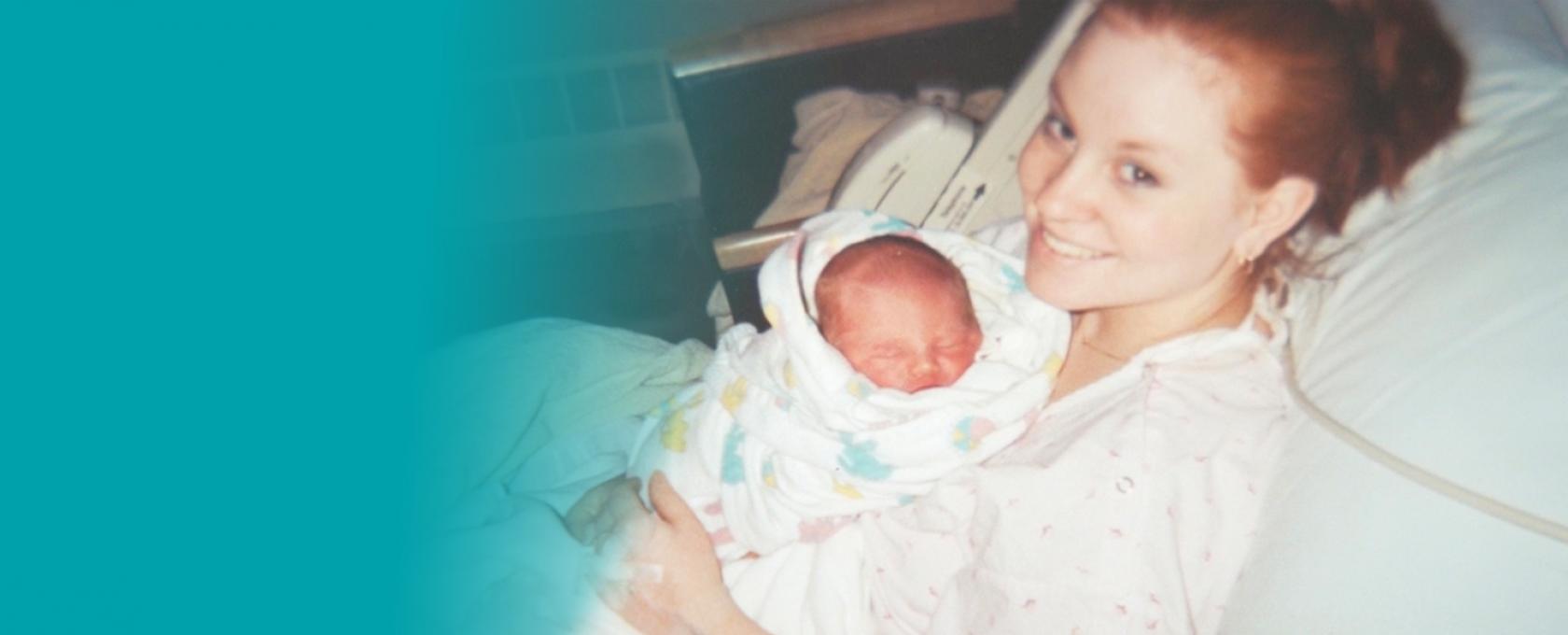




Are You Pregnant and Need Help?
A caring and supportive social worker can help you.





News
Maine Children’s Home celebrates 125 years of compassionate care and a legacy of strengthening families — 11 April 2024
Waterville, Maine — Thursday, April 11, 2024 — The second week of April marks the 125th anniversary of Maine Children’s Home (MCH), the Waterville-based organization that provides child and family-focused services of... Read more →
Senator King’s request for congressional spending of $525,000 approved for Maine Children’s Home’s response to Maine’s mental health crisis — 07 November 2023
Waterville, Maine — Thursday, November 2, 2023 — Senator Angus King’s request to the Appropriations Committee for $525,000 of congressional spending was awarded to support Maine Children’s Home’s (MCH) renovation project... Read more →
Waterville, Maine — Thursday, August 10, 2023 — The Board of Directors of Maine Children’s Home (MCH) has named Candace Marriner the new Executive Director of MCH after a three-month national search. Marriner’s 25 years...
Read more →SUBSCRIBE TO OUR MAILING LISTS
Our Mission
Maine Children's Home (MCH) builds and strengthens families and their children, instilling hope for the future and a better quality of life.
MCH has five core programs:
Family Adoption Program • Family Counseling Center • Journey Program • Connected Families Project • Christmas Program
 |
 |
 |
 |